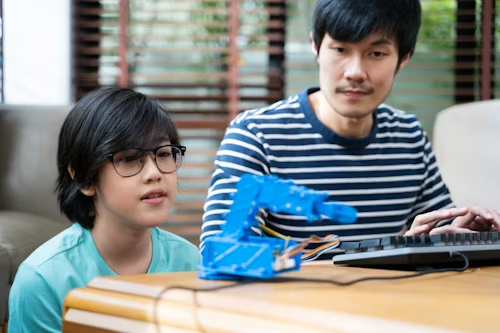

In today’s fast-paced, technology-driven world, coding has become more than just a skill—it is a vital tool that shapes the way we live, work, and communicate. Introducing children to coding at an early age can set the stage for future success, fostering creativity, critical thinking, and problem-solving skills. Coding schools for kids are emerging as essential platforms for nurturing these abilities, offering structured programs that combine fun, learning, and real-world applications.
Why Coding Matters for Kids
The digital revolution has created a global demand for tech-savvy professionals. While traditional subjects like math and science remain important, coding provides a unique blend of logic, creativity, and analytical thinking. For children, learning to code is akin to learning a new language—a language that allows them to communicate with technology, create their own digital tools, and solve complex problems.
Beyond technical skills, coding also encourages cognitive development. It helps children break down complex problems into smaller, manageable tasks, teaching persistence and strategic thinking. These skills are transferable to nearly every area of life, from academics to personal projects and future careers.
Benefits of Attending a Coding School for Kids
Coding classes for kids schools for kids are designed to make learning engaging and accessible. Here are some key benefits of enrolling your child in a coding school:
1. Enhances Problem-Solving Skills
Coding challenges require children to think logically and systematically. They learn to identify problems, develop solutions, and iterate until they achieve the desired outcome. This structured approach strengthens their analytical skills and prepares them for real-life problem-solving.
2. Fosters Creativity
Contrary to the belief that coding is purely technical, it is also a highly creative activity. Children can design games, apps, and animations, bringing their ideas to life. This creative process encourages experimentation and innovation, helping children develop original thinking skills.
3. Boosts Confidence
Completing coding projects gives children a satisfying feeling of accomplishment. As they see their code come to life, they gain confidence in their abilities to tackle challenges. This self-assurance can extend beyond coding, influencing academic performance and personal growth.
4. Prepares for Future Careers
Technology is integrated into nearly every industry, from healthcare to finance and entertainment. By learning to code early, children gain a competitive edge, positioning themselves for future careers in software development, robotics, artificial intelligence, and more.
5. Encourages Collaboration and Teamwork
Many coding programs involve group projects where children must work together to solve problems or create digital products. This collaborative environment teaches communication skills, empathy, and the importance of teamwork, which are crucial for success in any field.
Key Factors to Consider When Choosing a Coding School for Kids
Selecting the right coding school can make a significant difference in your child’s learning experience. Here are some key factors to consider:
1. Age-Appropriate Curriculum
A good coding school offers programs tailored to different age groups. Younger children may start with visual programming tools like Scratch, while older students can progress to text-based languages such as Python or JavaScript. Age-appropriate content ensures children remain engaged and motivated.
2. Hands-On Learning
Coding is best learned through practice. Look for schools that emphasize project-based learning, where children build real applications, games, or robots. Hands-on projects help solidify concepts and make learning enjoyable.
3. Experienced Instructors
Qualified and passionate instructors can inspire children and guide them through challenges. Experienced teachers understand how to make complex concepts accessible and foster a supportive learning environment.
4. Small Class Sizes
Smaller classes allow for more individualized attention and personalized guidance. Children can ask questions freely and receive immediate feedback, enhancing the overall learning experience.
5. Integration of Robotics and STEM
Many coding schools, such as Exceed Robotics, integrate robotics and STEM (Science, Technology, Engineering, and Math) into their programs. This approach allows children to see the practical applications of coding, from controlling robots to building smart devices.
Popular Coding Languages and Tools for Kids
Coding schools often introduce children to a variety of programming languages and platforms suited for beginners:
- Scratch: A visual programming language perfect for younger children to create animations, games, and interactive stories.
- Python: Widely used in education for its simple syntax, making it ideal for beginners interested in more advanced programming.
- HTML/CSS/JavaScript: Essential for building websites and learning the basics of web development.
- Robotics Kits: Platforms like LEGO Mindstorms or Arduino introduce kids to robotics, combining coding with engineering.
How Coding Schools Make Learning Fun
One of the most important aspects of a successful coding school is its ability to make learning enjoyable. Programs often use gamified approaches, where children earn rewards, unlock levels, and compete in coding challenges. Interactive workshops, hackathons, and collaborative projects keep students motivated and excited about technology.
Additionally, coding schools foster a community of young learners. Peer interaction, mentorship opportunities, and showcases of student projects create a sense of belonging and inspire continuous learning.
The Long-Term Impact of Coding Education
The benefits of attending a coding school extend far beyond childhood. Students who learn to code develop critical thinking, resilience, and adaptability—skills that are invaluable in any career path. Moreover, early exposure to technology nurtures a growth mindset, encouraging children to embrace challenges and view failure as a learning opportunity.
For parents, enrolling children in coding programs is an investment in their future. By equipping kids with the skills needed to thrive in a tech-driven world, coding schools help prepare the next generation of innovators, problem-solvers, and leaders.
Conclusion
Coding school for kids are more than just extracurricular programs—they are incubators for the next generation of creative thinkers and tech innovators. By combining hands-on learning, age-appropriate curriculum, and a supportive environment, these schools empower children to develop essential skills that will benefit them for a lifetime.
In a world increasingly shaped by technology, learning to code is not just an advantage—it is a necessity. Providing children with the opportunity to explore coding early sets them on a path of curiosity, innovation, and success. Whether your child dreams of designing the next popular app, building intelligent robots, or solving global challenges with technology, a coding school can provide the foundation for those ambitions.
Exceed Robotics and similar institutions are leading the way, offering programs that transform coding from a technical skill into an exciting journey of creativity, exploration, and growth. For parents seeking to prepare their children for a future dominated by technology, investing in coding education is one of the most impactful decisions they can make.
Suggestion
Top Reasons to Enroll Your Child in a Coding School for Kids
How Coding Schools for Kids Foster Creativity and Problem-Solving Skills
A Beginner’s Guide to Choosing the Right Coding School for Kids
The Benefits of Learning to Code Early: Why Kids Should Join Coding Schools